
Environment
Environmental Responsibility in Oil and Gas Production
Environmental responsibility in production comes from careful practice repeated every day. Below are the practical areas involved.
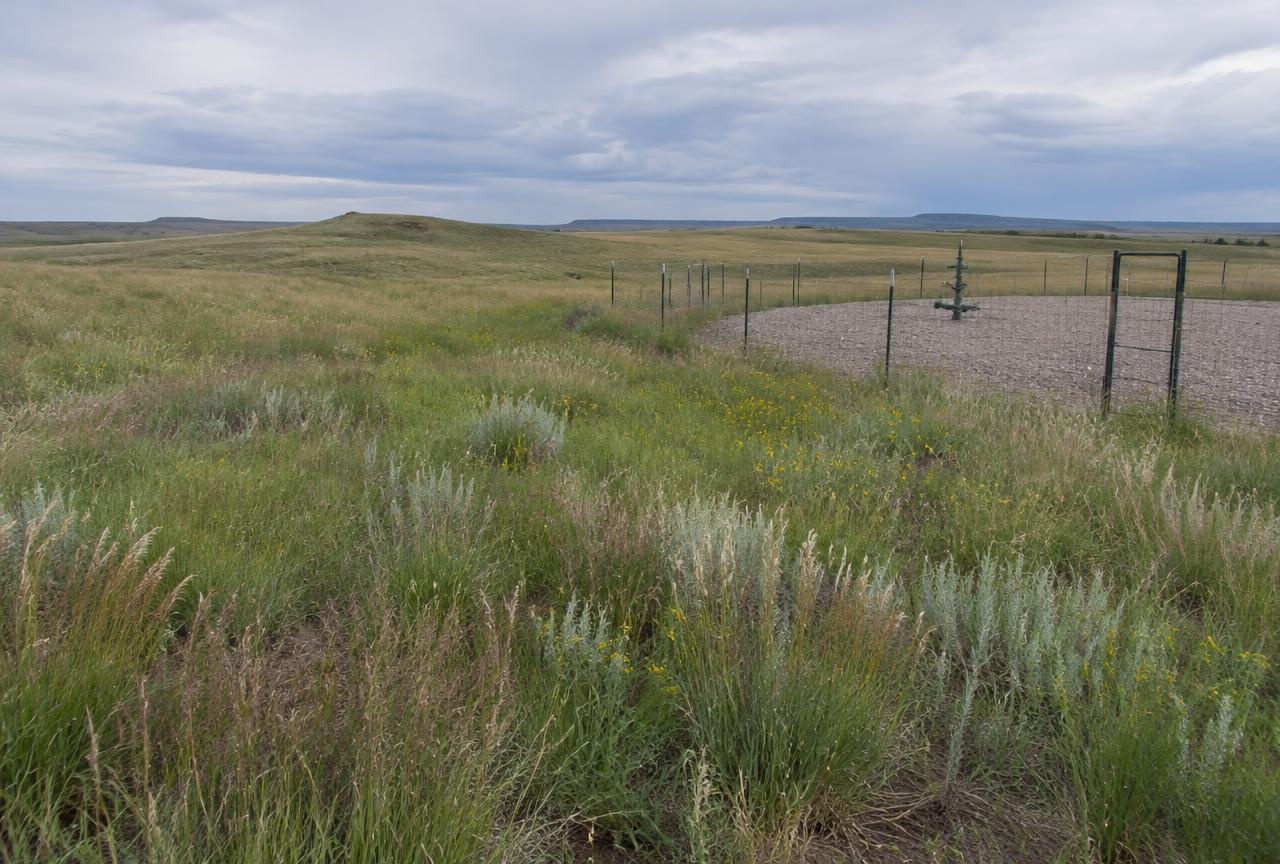
Well Integrity
Sound well construction, routine maintenance, inspection and integrity management keep fluids inside the wellbore and away from the formations and groundwater around it. They are the first protection against uncontrolled releases.
Spill Prevention and Response
Most spills can be prevented through equipment maintenance, sound operating practices and appropriate containment where it is required. Established response procedures make sure that any release is contained, reported and cleaned up promptly.
Produced Water and Waste Management
Oil and gas wells typically produce water along with hydrocarbons, often in larger volumes than oil. Produced water and other operational wastes must be handled, transported, treated, recycled or disposed of according to applicable state and federal requirements.
Emissions Awareness
Production facilities can emit methane and other gases from equipment, tanks and venting or flaring. Understanding these sources and following the applicable requirements for monitoring, reporting and reducing emissions is part of responsible operation.
Land Stewardship
Responsible site management keeps unnecessary surface disturbance to a minimum, maintains locations and access roads, and respects the interests of surface owners. When a well reaches the end of its life, plugging and reclamation obligations return the site to an appropriate condition.
Regulatory Compliance
Environmental requirements for oil and gas production come from federal agencies and from state regulators, including those in Texas, Montana and Louisiana. Each sets its own rules for permitting, operations, reporting and site restoration. Compliance with them is a basic condition of operating.